Cute Baby Cat Embroidery Design Review for Boutique Sweatshirts
First Impressions of Cute Baby Cat
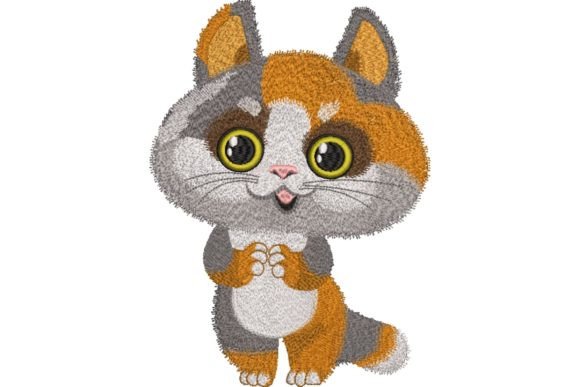
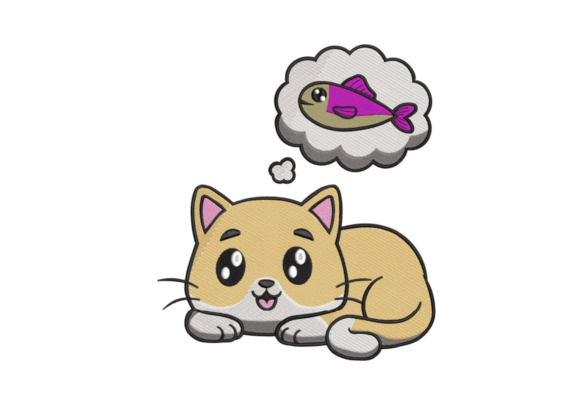
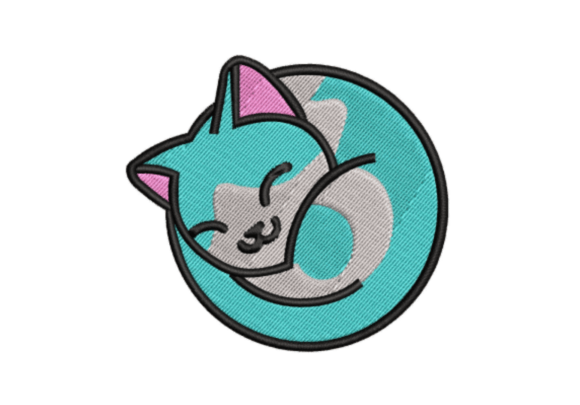
When I first opened the machine embroidery design labeled "Cute Baby Cat," I was immediately drawn to its whimsical charm and soft, approachable aesthetic. The layout is simple yet expressive—perfect for a design that aims to add a touch of playfulness without overwhelming the viewer. It’s clear from the outset that this is not a bold or aggressive piece; rather, it leans into the delicate side of sweatshirt embroidery, making it ideal for boutique brands aiming to appeal to customers who love subtle, handmade-style accents. The mood of the design feels light-hearted and feminine, with a level of detail that suggests care and attention. While the description doesn’t mention specifics like stitch count or hoop size, the stitching personality gives off a clean, even appearance that would likely translate well to high-quality finished products. This makes me optimistic about its potential in a premium sweatshirt collection.Design Versatility for Sweatshirt Projects
One of the standout qualities of Cute Baby Cat is its versatility across different fabric types and color palettes. For a small boutique brand preparing a limited sweatshirt drop, this adaptability is key. Here's how it might perform in various scenarios:Neutral Sweatshirts: On a classic gray or beige hoodie, the design adds just enough visual interest to elevate the garment without clashing with its understated tone. The softness of the cat complements the cozy nature of neutral apparel, reinforcing a sense of warmth and comfort.
Dark Fabric: Stitching Cute Baby Cat onto black or navy sweatshirts brings out the details beautifully, especially if you choose bright thread colors. Dark backgrounds can enhance the contrast and make the design feel more prominent, which is great for commercial use where visibility matters.
Pastel Colors: Pastels are all about gentle, dreamy aesthetics, and this design fits right in. Placing it on lavender or mint green hoodies could create a harmonious look that appeals to fans of cottagecore and minimalist fashion trends. The embroidery file seems designed to complement these softer tones without overpowering them.
Oversized Hoodies: The design works particularly well as a chest placement on oversized silhouettes. Its manageable scale ensures it won't get lost on larger garments, while still maintaining that sweet, handcrafted vibe. It also has potential as a sleeve accent or a playful back design for younger audiences.
Cozy Seasonal Apparel: Whether it's a fall hoodie or a winter sweatshirt, the design feels seasonally appropriate. Its charm aligns with autumnal or springtime collections, where handmade product presentation and warm textures are emphasized.
Evaluating Premium Feel and Commercial Viability
As an experienced designer, one of my top concerns when selecting an embroidery file for a boutique brand is whether it feels premium enough for retail pricing. Cute Baby Cat passes the test here. The line work is smooth, and the overall composition suggests a thoughtful design process. It’s not overly intricate, but it carries enough personality to stand out in a market saturated with generic graphics. This design sits comfortably in the intersection of cute, playful, and whimsical, which are powerful descriptors for custom apparel targeting niche audiences. As a standalone graphic, it offers enough character to support lifestyle photography and mockup previews, helping Etsy sellers and digital retailers showcase their product effectively.Practical Considerations for Production
- Thread Color Contrast: The design benefits greatly from using contrasting thread colors. If stitched on darker fabrics, consider lighter shades to highlight the shape and features of the cat. Conversely, on lighter backgrounds, darker threads can give depth and clarity.
- Stitch Density: Based on the stitching preview, the density appears moderate, which is good for most sweatshirt fabrics. However, if you're working with a thicker fabric or a high-pile fleece, additional stabilizer may be necessary to maintain crisp lines and prevent puckering.
- Fabric Thickness: While suitable for standard cotton-blend sweatshirts, extra caution should be taken when applying it to heavier or textured materials. Always test the design on a sample piece before full production runs to ensure optimal results.
- Stabilizer Choice: A tear-away or cut-away stabilizer is recommended depending on the fabric type. Tear-away is usually sufficient for lighter-weight hoodies, whereas cut-away may be needed for stretchier or bulkier materials to preserve the integrity of the embroidered image.
- Small-Size Readability: The design remains recognizable at smaller sizes, which is excellent for adding discreet branding elements or subtle accents on custom sweatshirts. Just keep in mind that fine details may lose some definition if scaled down too much.
- Hoop Placement: Due to its compact nature, the design allows for flexible hoop placement. It can be centered on the chest, placed asymmetrically for a modern look, or used as part of a layered design scheme with other design assets.
- Washing Durability: Assuming proper stabilizer use and quality thread, the design should hold up well through multiple washes. Still, always recommend pre-washing fabric before embroidery for any small shop product to avoid shrinkage issues.
- Commercial Use Potential: The design feels strong enough for commercial embroidery projects. Its universal appeal and clean execution make it a solid candidate for branded merchandise, especially for businesses looking to convey a warm, approachable identity.